
Deal Process
What is a Virtual Data Room (VDR) in a UK Business Sale?
Understand how to structure and populate a Virtual Data Room to withstand institutional due diligence and protect your deal value in a UK mid-market transaction.
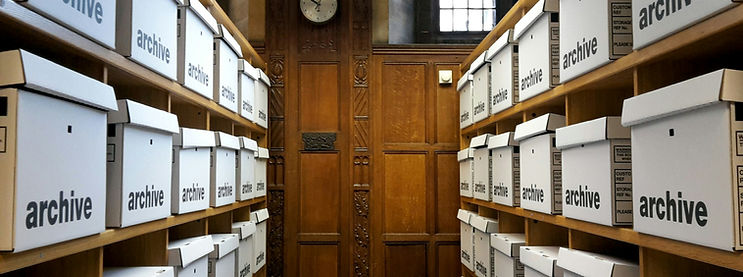
The 30-Second Definition
A Virtual Data Room (VDR) is a secure, cloud-based digital repository where a selling business organises and shares its confidential financial, legal, and operational documentation with prospective buyers and their advisors during the due diligence phase of a transaction. It is the digital equivalent of a locked room filled with filing cabinets - except that every document viewed, every page downloaded, and every search query run by the buyer's team is tracked and time-stamped.
The VDR as a Negotiating Weapon
Most business owners treat the VDR as a compliance exercise: a place to dump historical accounts, a few contracts, and some HR records. Institutional buyers and their corporate finance teams view it as an intelligence asset. The structure, completeness, and quality of your data room is the single loudest signal you will send to a sophisticated buyer about the integrity of your business and the competence of your management team.
A disorganised VDR - missing documents, inconsistent naming conventions, accounts that don't reconcile to management information - tells a buyer exactly what they need to know: this business has weak financial controls.
That perception drives three outcomes you cannot afford: a lower valuation, a restructured deal with more deferred consideration, or a complete withdrawal of the offer.
The Core VDR Structure for a Mid-Market UK Sale
A professional VDR for a £1M-£50M transaction is built around eight primary folders, each with clearly defined sub-sections:
- Corporate and Governance: Certificate of incorporation, articles of association, shareholder register, board minutes for the past three years, and any shareholder agreements or drag-along/tag-along provisions. Buyers check this folder first to confirm they are buying exactly what they think they are buying.
- Financial Records: Statutory accounts for the past three to five years, monthly management accounts for the trailing 24 months, VAT returns, corporation tax computations, and the EBITDA Bridge with your proposed add-backs. This folder receives the most forensic scrutiny from the buyer's accountants.
- Commercial Contracts: All material customer and supplier agreements, sorted by contract value. Buyers will look specifically for change-of-control clauses - provisions that allow a customer or supplier to exit the contract if the business changes ownership. A single client with this clause, representing 30% of your revenue, can decimate your negotiating position.
- Intellectual Property: Trademark registrations, patent filings, software licence agreements, and domain ownership records. Any open-source code used in a proprietary product must be documented here. IP gaps are one of the most common late-stage deal-breakers.
- People and HR: Employment contracts for all staff, the company's pension scheme details, any settlement agreements with former employees, and documentation of any TUPE obligations from historic acquisitions.
- Property: Commercial lease agreements, schedules of condition, and any outstanding dilapidations liability. A short lease with no renewal option, or a personal guarantee on a property that the buyer will not honour, is a direct deduction from enterprise value.
- Legal and Regulatory: Any current or historic litigation, regulatory correspondence, HMRC enquiry letters, insurance schedule, and professional indemnity coverage history.
- Operations: The company's standard operating procedures, key process documentation, system architecture, and IT infrastructure records. This folder directly supports your narrative that the business is not dependent on the founder.
The Buyer's Playbook: How the VDR is Used Against You
During exclusivity, the buyer's legal and financial advisors will run a systematic document request process against your VDR. Every unanswered request, every document provided late, and every version inconsistency becomes a negotiating chip. Their standard tactics include:
- The Information Black Hole: Deliberately submitting long document request lists with impossible turnaround times. If you cannot respond quickly, they flag your business as operationally weak and begin pushing for price reductions.
- The Contradiction Hunt: Comparing the figures in your management accounts against your statutory returns, and cross-referencing both against your EBITDA Bridge. Any discrepancy, however minor, becomes the basis for a Quality of Earnings challenge.
Build Your VDR Twelve Months Before You Need It
The businesses that achieve the highest valuations with the cleanest deal structures are the ones that treated their VDR as a live, maintained asset - not an emergency project assembled in the six weeks after signing a Letter of Intent. A completed, indexed VDR built well in advance of approaching the market signals to every institutional buyer that this is a well-run business operated by a management team that understands how transactions work.